
Sansevieria Plant (Snake Plant): Care Guide and Best Placement Indoors
The Sansevieria plant is one of the most popular indoor plants thanks to its modern appearance and easy care routine, making it an ideal choice for homes, offices, and contemporary indoor spaces.
Sansevieria is known for its long, upright green leaves with unique patterns, as well as its ability to adapt to different lighting conditions while requiring minimal maintenance.
What is a Sansevieria Plant?
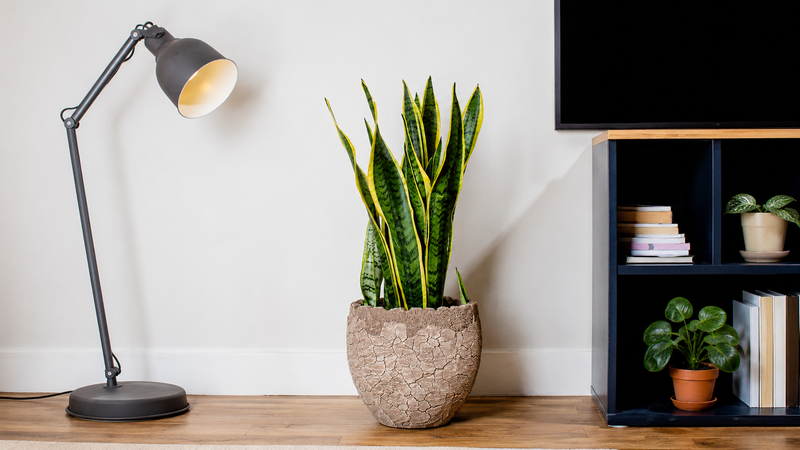
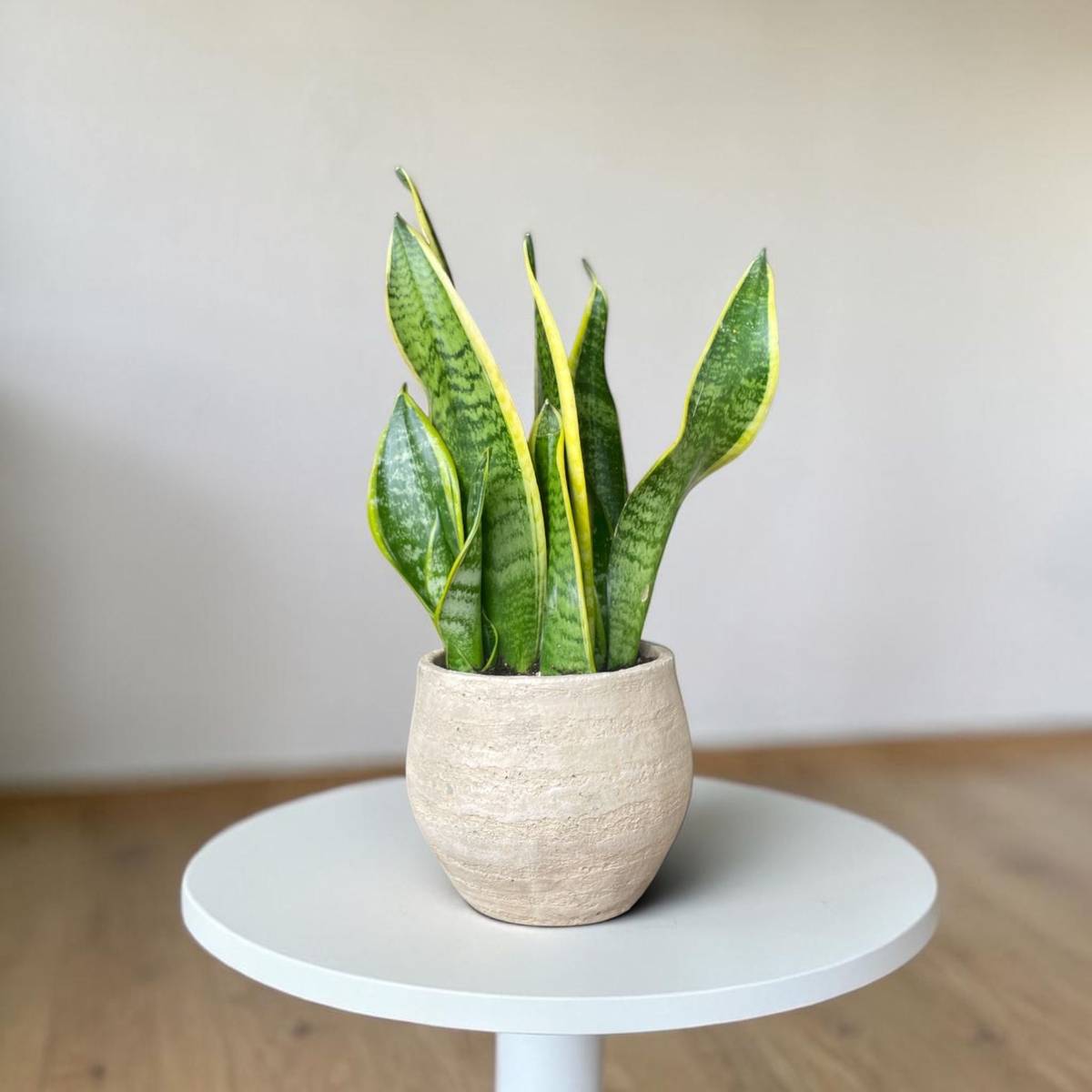
Sansevieria, also known as the “Snake Plant,” is an evergreen indoor plant recognized for its elegant vertical leaves that add a modern and calming decorative touch.
It is considered one of the best houseplants for beginners because of its drought tolerance and low-maintenance nature.
Native Habitat of Sansevieria
The Sansevieria plant originates from tropical regions in Africa and South Asia, where it naturally grows in warm and relatively dry environments.
Its natural habitat gives it the ability to adapt to indoor conditions, tolerate infrequent watering, and grow in bright or moderate lighting.
Benefits of Sansevieria Indoors
1. Adds a Modern Decorative Touch
Sansevieria features an elegant upright shape that complements various interior décor styles.
2. Easy to Care For
It is one of the most resilient indoor plants, making it perfect for busy individuals and beginners.
3. Ideal for Offices and Indoor Spaces
Thanks to its tidy appearance and simple maintenance, Sansevieria is commonly used in offices, entryways, and decorative corners.
Best Placement for Sansevieria
For healthy growth, it is best to place the plant in:
Bright areas with indirect sunlight.
Living rooms and office spaces.
Indoor decorative corners.
Sansevieria can also tolerate low-light conditions better than many other indoor plants.
How to Care for a Sansevieria Plant
Proper Sansevieria care depends on balancing light and watering.
1. Light Requirements
Sansevieria prefers bright indirect light, but it can also adapt to medium and low-light environments.
2. Watering
Water the plant only after the soil has almost completely dried out.
Avoid overwatering, as it may cause root rot.
Reduce watering during winter.
3. Temperature
Sansevieria grows best in moderate temperatures between 18–30°C.
It is recommended to keep the plant away from extreme cold and direct cold air drafts.
4. Soil and Fertilizer
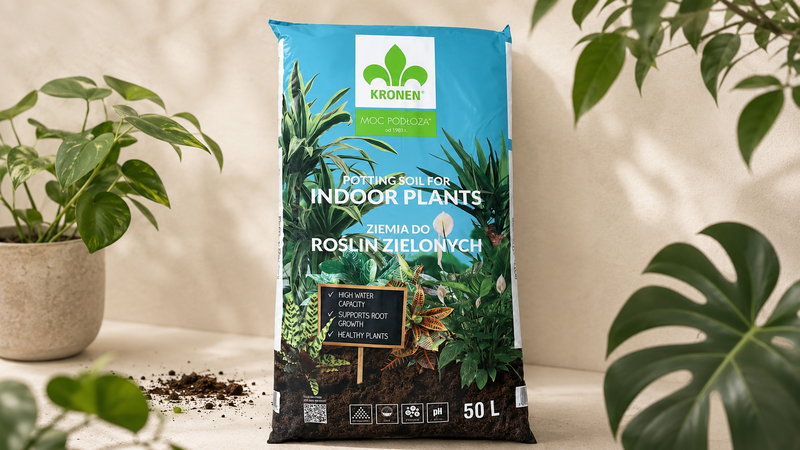
Use a lightweight, well-draining soil mix to help protect the roots from excess moisture.
A mild fertilizer can be applied once a month during the growing season.
Common Sansevieria Problems and Solutions
Yellow Leaves
Usually caused by overwatering or poor soil drainage.
Soft Leaves
May indicate root rot caused by excess moisture.
Slow Growth
Can result from insufficient lighting or the need for repotting.
Frequently Asked Questions About Sansevieria
Is Sansevieria suitable for beginners?
Yes, it is one of the easiest indoor plants to care for and maintain.
Can Sansevieria tolerate low light?
Yes, it adapts well to low-light conditions, although growth is better in bright indirect light.
How often should it be watered?
Watering depends on temperature and lighting, but generally the plant should be watered after the soil dries out.
Add a Sansevieria Plant to Your Collection Today