
Proper Watering Tips for Indoor Plants: How to Keep Your Plants Healthy and Beautiful
Watering is one of the most important factors in maintaining healthy indoor plants. However, many people assume that giving more water means better care. In reality, overwatering is one of the most common causes of plant problems and root damage. Understanding the correct watering method will help your plants thrive and stay healthy.
1. Check the Soil Before Watering
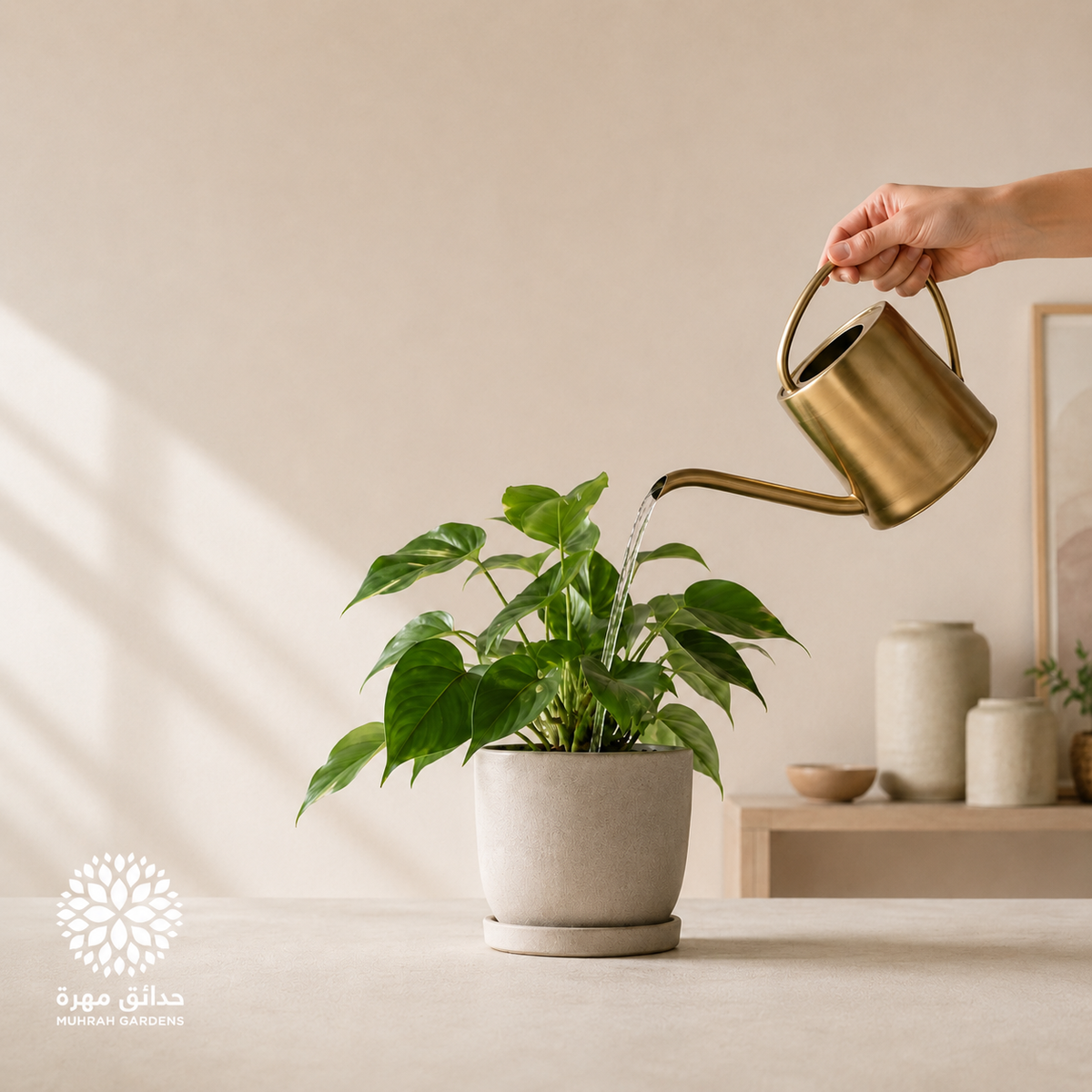
Before adding water, check whether your plant actually needs it. Insert your finger about 2–3 cm into the soil. If the soil still feels moist, wait a little longer before watering.
2. Don’t Rely on a Fixed Schedule
A plant’s water needs vary depending on its species, pot size, temperature, and humidity levels. Instead of following a strict schedule, monitor the soil and the plant’s condition regularly.
3. Deep Watering Is Better Than Surface Watering
When watering, make sure the water reaches the entire root zone and drains through the bottom holes of the pot. This encourages stronger root growth and helps prevent salt buildup.
4. Avoid Water Accumulation
Always use pots with proper drainage holes. Standing water around the roots can lead to root rot and fungal diseases.
5. Choose the Right Time to Water
The best time to water plants is early in the morning or during the cooler evening hours. This allows plants to absorb moisture efficiently while reducing water loss through evaporation.
6. Watch for Signs of Underwatering and Overwatering
Signs of underwatering:
Wilting leaves.
Dry soil.
Brown leaf edges.
Signs of overwatering:
Yellowing leaves.
Leaf drop.
Soft stems.
Root rot.
7. Understand Your Plant’s Needs
Not all plants require the same amount of water. Succulents and cacti prefer the soil to dry out between waterings, while tropical plants often need more frequent watering and higher humidity.
Final Tip
If you’re unsure whether to water your plant or wait, it’s often safer to wait an extra day. Most plants can tolerate short periods of dryness better than constantly wet soil.
Proper watering practices promote healthier growth, greener foliage, and longer-lasting, more vibrant plants.