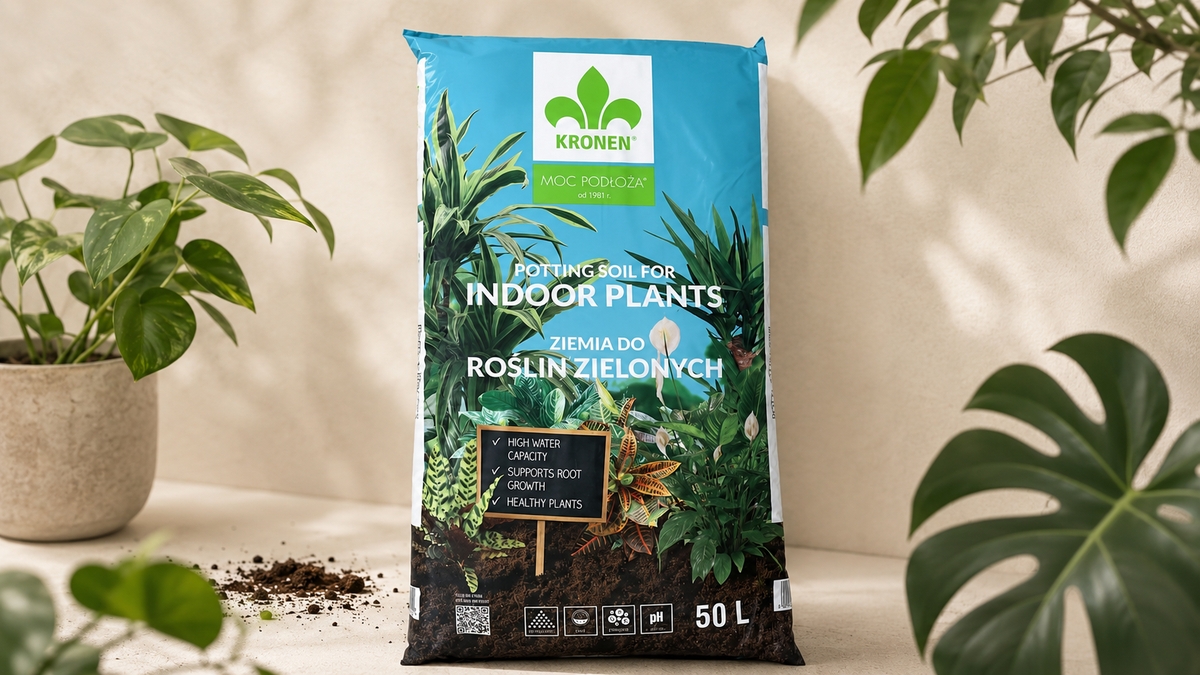
Choosing the right soil for indoor plants is one of the most important steps in successful plant care. Many indoor plant problems are not caused by lack of care only, but by using the wrong type of soil that holds too much water or does not allow the roots to breathe properly.
Indoor plants need a light, well-draining soil mix that supports healthy root growth. When the soil is suitable, the plant can absorb water and nutrients more effectively and is less likely to suffer from yellowing leaves, root rot, or slow growth.
Why Is Indoor Plant Soil Different from Garden Soil?
Garden soil is often heavy and compact. It may hold water for a long time, which is not suitable for most indoor plants. When heavy soil is used in pots, water can stay around the roots and cause problems such as weak growth, yellow leaves, or root rot.
Indoor plant soil should be lighter, easier to drain, and able to hold a balanced amount of moisture without keeping the roots too wet.
What Makes a Good Indoor Plant Soil?
The best soil for indoor plants should have three main qualities: it should be light, well-draining, and able to hold moderate moisture.
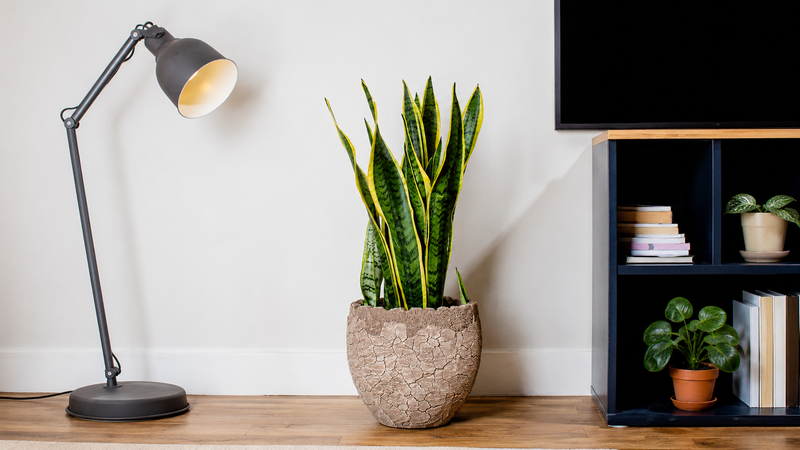
These qualities make the soil suitable for many popular indoor plants such as Pothos, Dracaena, Sansevieria, ZZ Plant, Monstera, Aglaonema, and Philodendron.
Best Soil Mix for Indoor Plants
A simple and effective soil mix for most indoor plants can include:
50% Peat Moss or Cocopeat
Helps retain moisture and keeps the soil light and suitable for root growth.
30% Perlite
Improves drainage and aeration, helping reduce the risk of root rot.
20% Compost or Light Potting Soil
Provides light nutrition and improves the overall soil quality.
This mix is suitable for homes and offices because it creates a good balance between moisture, drainage, and airflow around the roots.
The Importance of Drainage
Good drainage is one of the most important factors when choosing soil for indoor plants. Even if the soil mix is good, the pot should have drainage holes at the bottom to allow extra water to escape after watering.
When water stays inside the pot for too long, the roots may become weak or damaged. This can appear as yellow leaves, slow growth, or gradual leaf drop.
Do All Indoor Plants Need the Same Soil?
Not all indoor plants need the same amount of moisture, but most of them prefer light and well-draining soil. Plants such as Sansevieria and ZZ Plant tolerate dryness better, so they need soil that drains quickly and does not hold too much moisture.
Plants such as Pothos, Monstera, and Aglaonema prefer soil that holds moderate moisture while still allowing good airflow around the roots.
Signs That the Soil Is Not Suitable
There are several signs that may show the soil is not suitable for your indoor plant. These include repeated yellowing leaves, soil staying wet for too long, unpleasant smell from the soil, slow growth, leaf drop, or small insects appearing around the soil.
When these signs appear, it is best to check the soil and make sure it is light and well-draining. In some cases, replacing the soil with a better mix may help the plant recover.
When Should You Change Indoor Plant Soil?
Indoor plant soil should be changed when the plant shows weak growth, when the soil becomes old and compacted, or when there is an unusual smell. In general, soil can be refreshed or replaced every one to two years depending on the plant type and soil condition.
Conclusion
The right soil is the foundation of healthy indoor plants. A light and well-draining soil mix helps roots breathe, reduces the risk of root rot, and supports better plant growth.
For best results, use a mix that contains peat moss or cocopeat, perlite for drainage, and a small amount of compost or light potting soil for nutrition.