
Indoor plants add a beautiful natural touch to homes and offices, but each plant has different care needs. Low-water indoor plants are one of the best choices for people who want to enjoy greenery without frequent watering or daily maintenance.
These plants can tolerate longer dry periods compared to many other indoor plants. This makes them suitable for offices, apartments, living rooms, and indoor entrances. They are also a great option for beginners or people who travel often and do not have enough time for daily plant care.
What Are Low-Water Indoor Plants?
Low-water indoor plants are plants that can handle longer periods between watering. Some of them store water in their leaves, stems, or roots, while others naturally reduce moisture loss.
This does not mean they do not need water at all. It means they need less water compared to moisture-loving plants. In most cases, they should be watered only when the soil becomes clearly dry.
Why Are They Suitable for Homes and Offices?
Low-water plants are very practical for indoor spaces because they can tolerate delayed watering better than many other plants. They also add a clean and elegant green look to the space without requiring complicated care.
In offices, daily watering may not always be possible, so these plants are a practical choice. At home, they are ideal for people who want beautiful plants that are easy to care for.
Best Low-Water Indoor Plants
1. ZZ Plant
The ZZ Plant is one of the most popular low-water indoor plants. It has glossy green leaves and an elegant shape. It can tolerate medium to relatively low indoor light.
ZZ Plant should be watered only after the soil dries, because too much water may cause root rot. This makes it one of the best choices for offices and indoor corners.
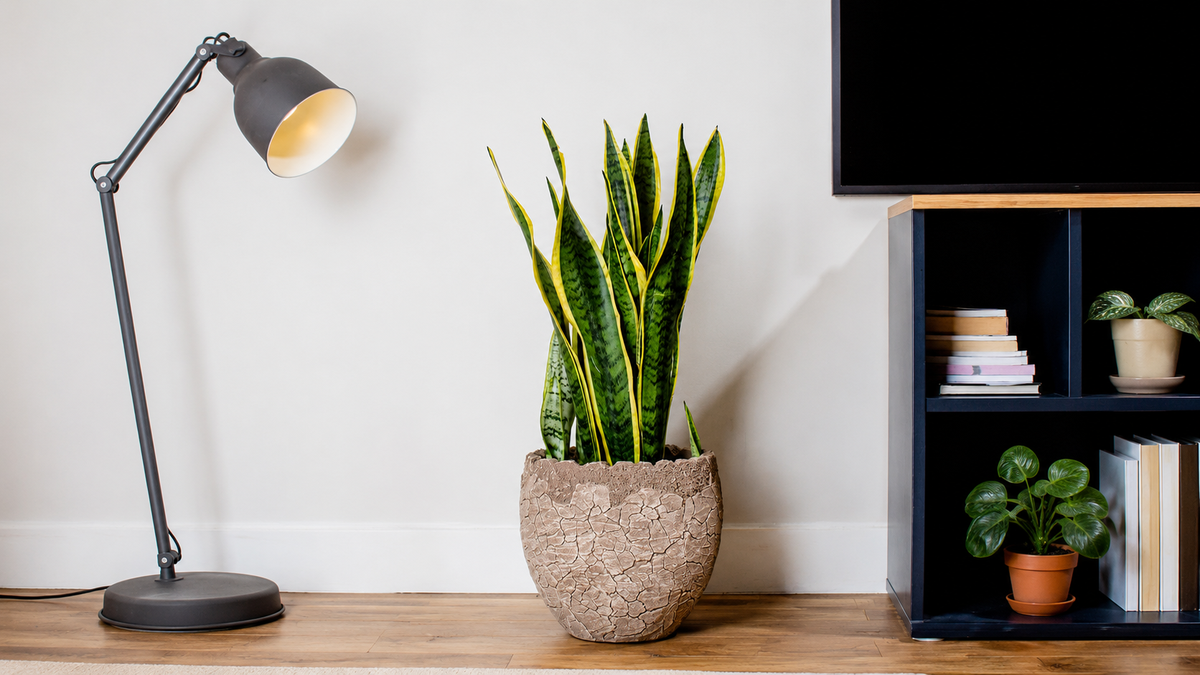
2. Sansevieria
Sansevieria, also known as Snake Plant, is a strong indoor plant that tolerates low watering and indoor light. It has long upright leaves and gives the space a clean, modern look.
It needs light and spaced watering, and the soil should be allowed to dry well before watering again.
3. Pothos
Pothos is an easy and popular indoor plant that can handle short dry periods. It has beautiful trailing leaves and can be used on shelves or in hanging pots.
Pothos should be watered when the top layer of soil becomes dry. Avoid keeping the soil wet for a long time.
4. Dracaena
Dracaena is a suitable indoor plant for homes and offices, and it comes in different shapes and leaf colors. It can tolerate spaced watering, but it prefers light, well-draining soil.
It is best to water Dracaena after part of the soil dries, and place it in bright indirect light.
5. Aglaonema
Aglaonema is a beautiful and easy-care indoor plant that can tolerate medium indoor light. It does not need frequent watering and should be watered when the top layer of soil becomes dry.
Its decorative leaves and calm colors make it suitable for entrances, offices, and living rooms.
6. Cacti and Succulents
Cacti and succulents are among the best plants for low-water care because they store water in their leaves and stems. They need well-draining soil and good light to grow well.
They should be watered in small amounts and at longer intervals, making sure the soil is fully dry before watering again.
How to Care for Low-Water Indoor Plants
Although these plants are easy to care for, the right watering method is very important. The main rule is to avoid watering until the soil has dried. Overwatering can harm the plant more than underwatering.
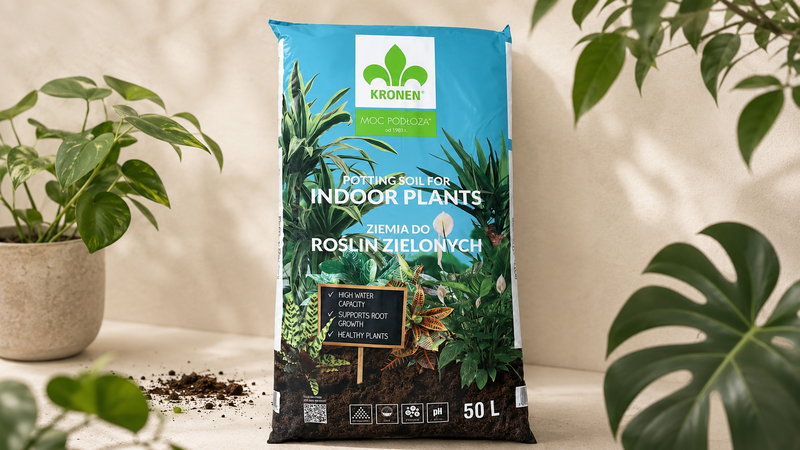
It is also important to use a pot with drainage holes, so extra water can leave the pot after watering. Avoid leaving water collected under the pot, as this may cause root rot.
Suitable Light
Most low-water indoor plants prefer bright indirect light, such as light near a window or good indoor lighting. Some plants, such as ZZ Plant and Sansevieria, can tolerate low light, but they grow better in medium to bright indirect light.
How Do I Know When the Plant Needs Water?
You can check if the plant needs water by testing the soil. If the soil is dry 3 to 5 cm deep, you can water the plant. If the soil is still moist, it is better to wait a few more days.
Some signs may also show that the plant needs water, such as slightly soft leaves or clearly dry soil. However, it is best not to depend on leaf appearance only, because overwatering and underwatering can sometimes look similar.
Common Mistakes to Avoid
One of the most common mistakes is watering the plant every day or placing it in a pot without drainage holes. Using heavy soil that holds water for too long can also damage the plant, even if it is a low-water plant.
Another mistake is placing the plant in a very dark area for a long time. Even plants that tolerate low light still need enough light to stay healthy.
Conclusion
Low-water indoor plants are a great choice for anyone looking for beautiful and easy-care plants. They are suitable for homes and offices and can tolerate dry periods better than many other indoor plants.
Some of the best options include ZZ Plant, Sansevieria, Pothos, Dracaena, Aglaonema, cacti, and succulents. To keep them healthy, use light well-draining soil, place them in suitable light, and water only when the soil is dry.