
Anthurium Plant: The Complete Guide to Caring for the Flamingo Flower Indoors
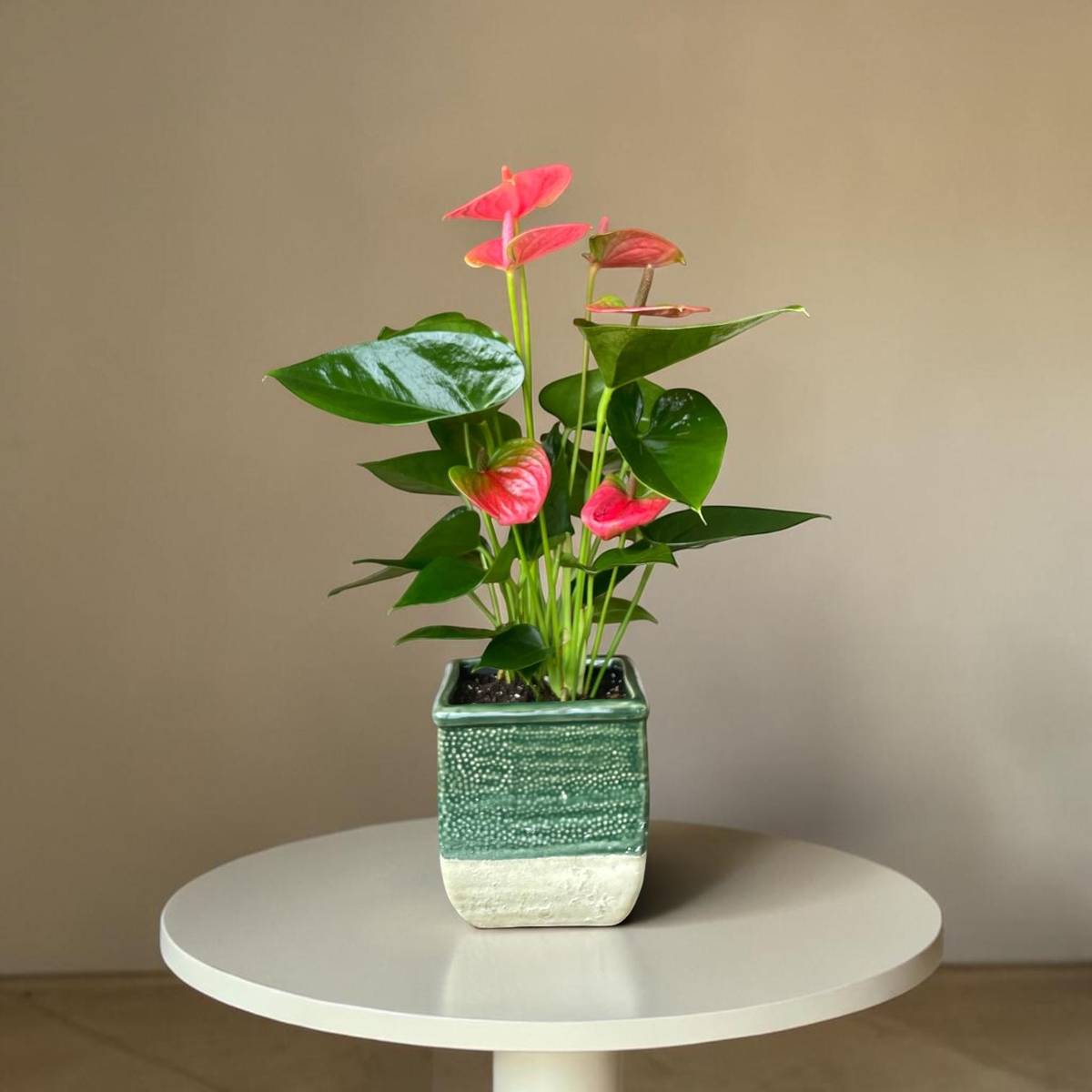
The Anthurium plant is one of the most popular indoor plants in modern décor thanks to its elegant appearance, glossy heart-shaped flowers, and ability to adapt well to indoor environments.
Anthuriums are widely used in homes, offices, and hotels for the luxurious and vibrant touch they bring to any space, making them an ideal choice for anyone looking for a long-lasting flowering indoor plant that is easy to care for.
What is an Anthurium Plant?
Anthurium, also known as the “Flamingo Flower,” is a tropical indoor plant recognized for its glossy dark green leaves and vibrant waxy flowers in shades such as red, pink, and white. It is considered one of the best easy-care indoor flowering plants and is commonly used in modern interior décor due to its elegant and exotic appearance.
Native Habitat of Anthurium
Anthuriums originate from the tropical rainforests of Central and South America, where they naturally grow in warm, humid environments with indirect light.
This natural habitat allows the plant to adapt easily to indoor spaces, bloom for long periods throughout the year, and require relatively low maintenance.
Benefits of Anthurium Indoors
Anthuriums add a luxurious decorative touch with their glossy flowers and vibrant colors that enhance homes and offices. Their tropical appearance also helps create a lively and visually relaxing atmosphere indoors.
One of the reasons Anthurium is highly valued as a houseplant is its long-lasting blooms, which remain attractive for extended periods compared to many other indoor flowering plants.
Best Placement for Anthurium
For healthy growth and continuous blooming, place the plant near bright areas with indirect sunlight, such as living rooms, office spaces, or decorative corners that need a natural focal point.
Avoid direct sunlight exposure, as it may burn the leaves and flowers.
How to Care for an Anthurium Plant
Light Requirements
Anthuriums prefer bright indirect light, which helps encourage blooming and maintain vibrant flower color. Very low light may slow growth and reduce flowering.
Watering
Water the plant when the top 2–3 cm of soil feels dry. Avoid overwatering or leaving the roots sitting in water, and make sure the pot has proper drainage holes. Reduce watering during winter.
Temperature and Humidity
Anthuriums thrive in temperatures between 20–28°C and prefer humid environments because they are tropical plants. Lightly misting the leaves or using a humidifier can help during dry weather.
Keep the plant away from cold air drafts and direct air conditioning.
Soil and Fertilizer
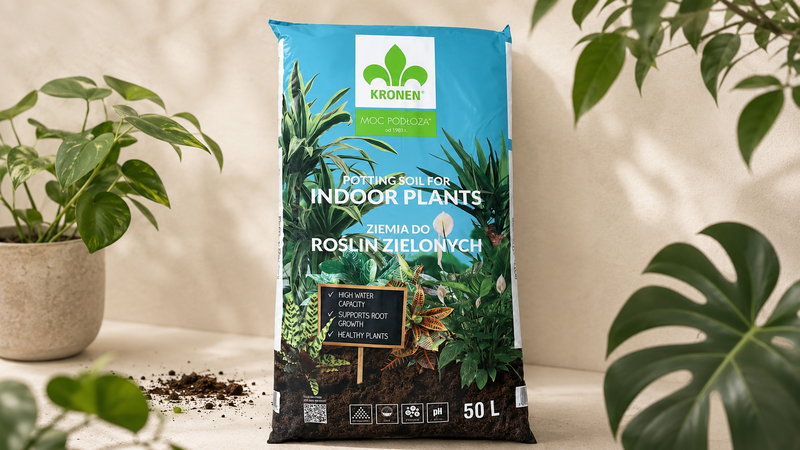
Use a lightweight, well-draining soil mix such as peat moss and perlite to support healthy root growth. Feed the plant with diluted fertilizer once a month during spring and summer to encourage blooming.
Common Anthurium Problems and Solutions
Yellow leaves are usually caused by overwatering, while brown leaf edges may result from low humidity or mineral-heavy water.
If the plant stops flowering, it may need brighter indirect light or additional fertilizer support.
Frequently Asked Questions About Anthurium
Is Anthurium suitable for beginners?
Yes, Anthurium is relatively easy to care for and adapts well to indoor conditions.
Why do Anthurium flowers look artificial?
Their natural waxy texture helps the flowers maintain their shine and appearance for a long time.
Is Anthurium safe for pets?
It is best to keep the plant away from pets and children, as chewing the plant may cause mild irritation.
Conclusion
The Anthurium plant, also known as the Flamingo Flower, is an excellent choice for anyone seeking a stylish and easy-care indoor flowering plant.
With its long-lasting blooms and tropical beauty, Anthurium adds elegance and vibrant charm to homes and office spaces alike.
Add the Anthurium plant to your collection here